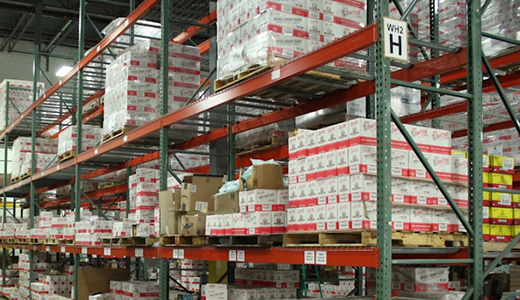
What is warehouse management?
It refers to the processes involved in organizing, managing, and optimizing warehouse operations.
Why is warehouse management important?
It ensures efficient inventory flow, reduces operational costs, and enhances customer satisfaction.
What are the key components of warehouse management?
Storage optimization, inventory tracking, and order fulfillment.
What technologies are used in warehouse management?
WMS software, automated guided vehicles (AGVs), and robotics are popular.
What are the advantages and disadvantages of warehouse management systems?
Advantages include improved efficiency, while disadvantages might involve high implementation costs.
How does automation improve warehouse management?
Automation speeds up processes, reduces errors, and improves safety.
What is the role of robotics in warehouse management?
Robots assist in picking, sorting, and moving inventory more efficiently.
How does 3D scanning enhance warehouse operations?
It provides accurate volume measurements for better space utilization.
What industries benefit most from warehouse management systems?
Retail, logistics, and manufacturing industries.
How do warehouse management systems work?
They track inventory, manage workflows, and optimize storage through automation.
What are the challenges of warehouse management?
Challenges include high operational costs and fluctuating inventory demands.
How does warehouse management contribute to supply chain efficiency?
It ensures timely inventory movement and accurate order fulfillment.
What is the impact of IoT on warehouse management?
IoT enables real-time tracking, predictive maintenance, and better resource management.
Can warehouse management integrate with inventory systems?
Yes, integration allows for seamless tracking and inventory synchronization.
What is the future of warehouse management?
The future includes AI-driven analytics, greater automation, and enhanced connectivity.